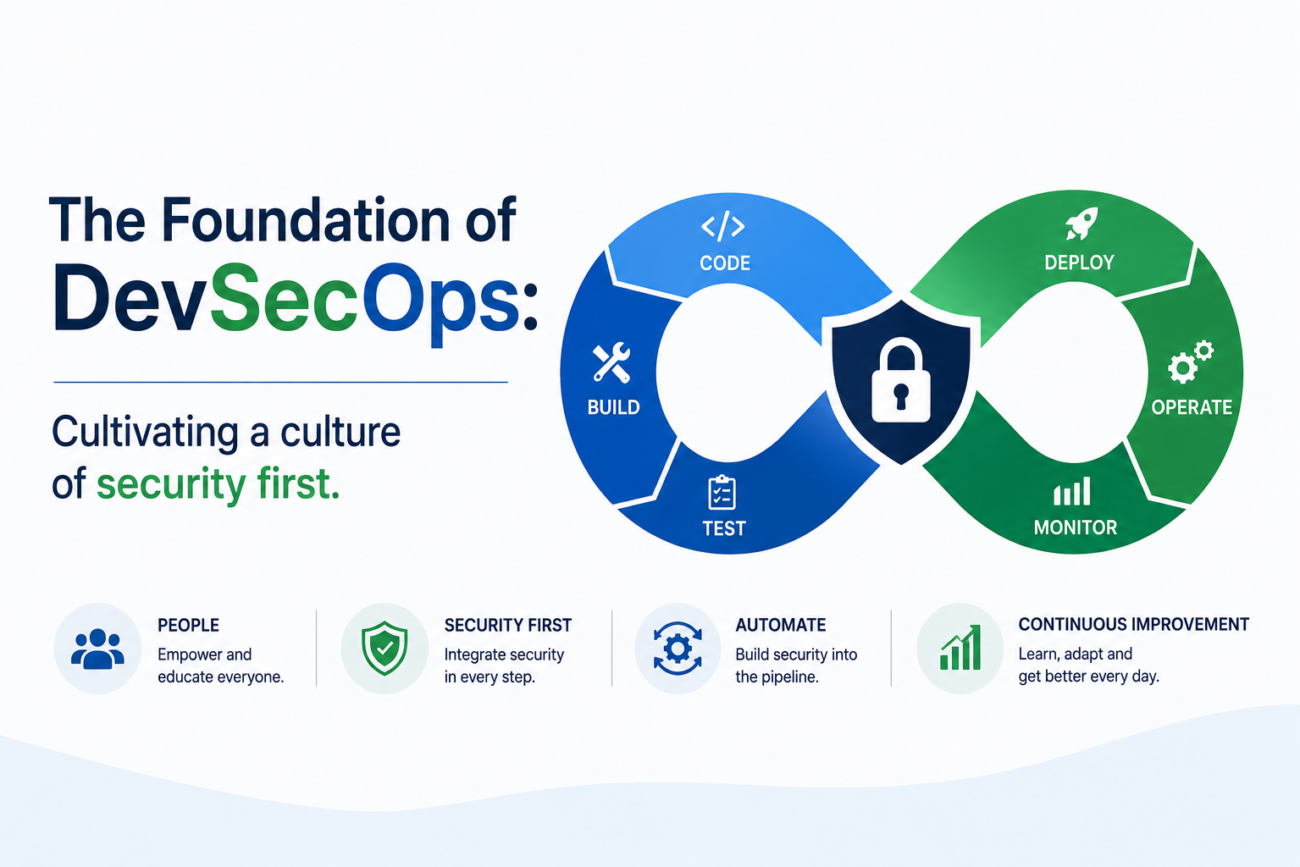
In the fast-paced world of software development, the pressure for speed often leaves security as an afterthought, a final hurdle to overcome before release. This traditional approach is not only inefficient but also dangerous, leading to vulnerabilities that are more expensive and complex to fix in a production environment. DevSecOps offers a solution by integrating security into all phases of the development lifecycle, transforming it from an obstacle into a shared responsibility. However, the success of DevSecOps depends not on tools, but on a fundamental cultural shift within the organization.
The core of this transformation is the principle of shared responsibility. Security is no longer the exclusive domain of a dedicated team; it becomes an integral part of everyone’s role. Developers are empowered to write secure code from the start, operations teams build and maintain a secure infrastructure, and security teams evolve from gatekeepers to enablers, providing the necessary tools and guidance. This collaborative model breaks down silos and accelerates the development process by incorporating security from the initial architectural decisions.
A key strategy for achieving this at scale is the Security Champions program . With teams often outnumbered by engineers, these champions —developers with a strong interest in security—act as a bridge between their teams and the specialists. They serve as the first point of contact for security issues, help translate requirements to their team’s context, and assist in initial vulnerability screening. For such a program to succeed, it requires executive sponsorship to ensure the role is formally recognized and valued.
This leads to the crucial role of executive sponsorship and metrics. Any large-scale cultural change needs strong leadership support to overcome resistance and provide the necessary resources. Success should be measured not only by the number of vulnerabilities found, but by metrics that reflect business outcomes and process efficiency. Key performance indicators include:
- Mean Time To Remediation (MTTR): A decreasing MTTR indicates a more efficient vulnerability remediation process.
- Vulnerability Density: Reducing vulnerabilities per line of code suggests better secure coding practices.
- Vulnerability Recurrence Rate: A low rate indicates that teams are effectively learning from past mistakes.
- Security Testing Coverage: Aim for near-total project coverage with automated security testing.
At FocusInformer, we support companies on their DevSecOps journey , offering specialized teams that integrate security throughout the software development lifecycle. With this approach, organizations can accelerate the delivery of digital products, ensuring protection against vulnerabilities and proactively mitigating risks. The goal is to help clients build a robust security culture where developers, operations, and security teams collaborate from the early stages of the project.
Also Read : Why is validating inputs the first line of defense in software security?
